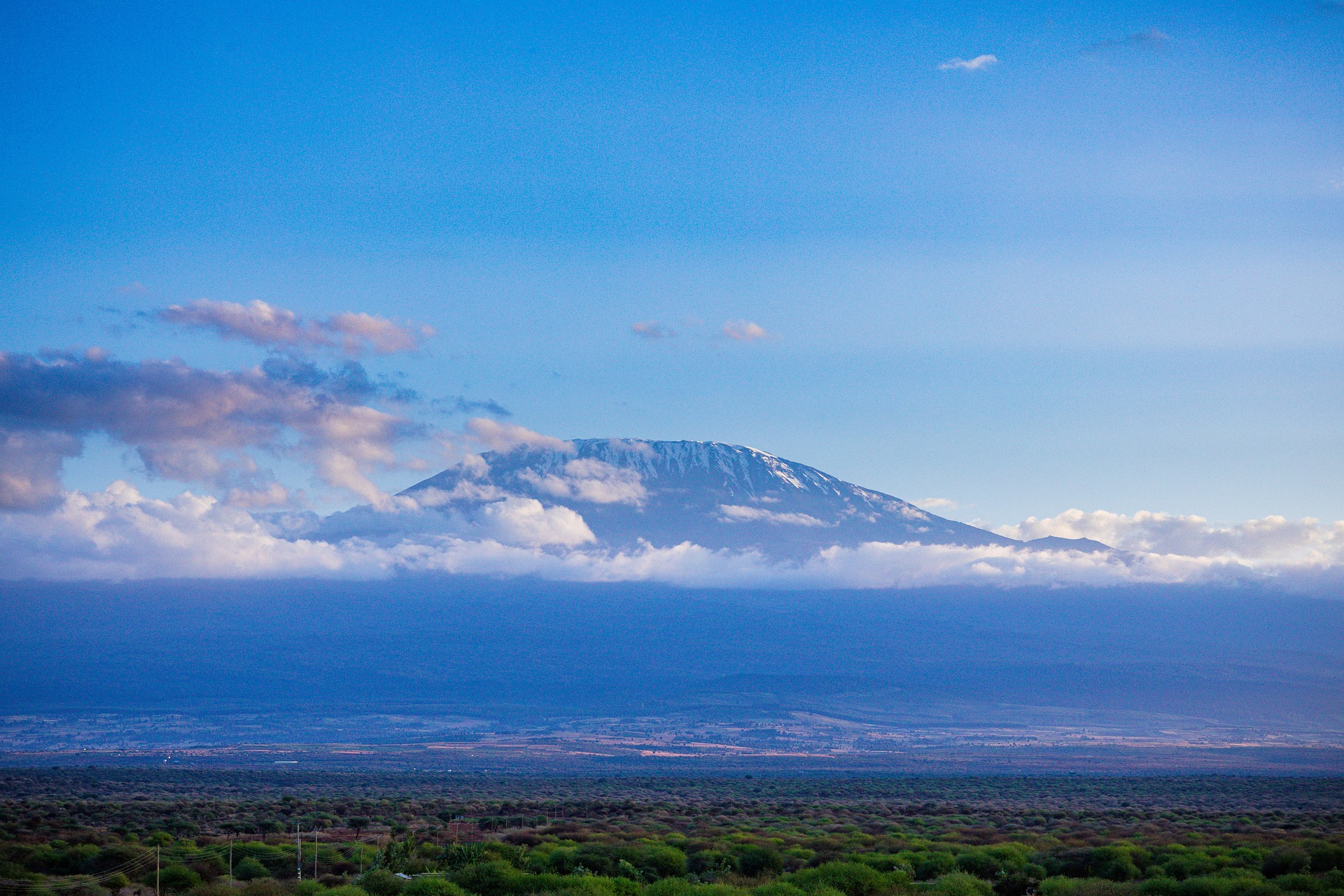
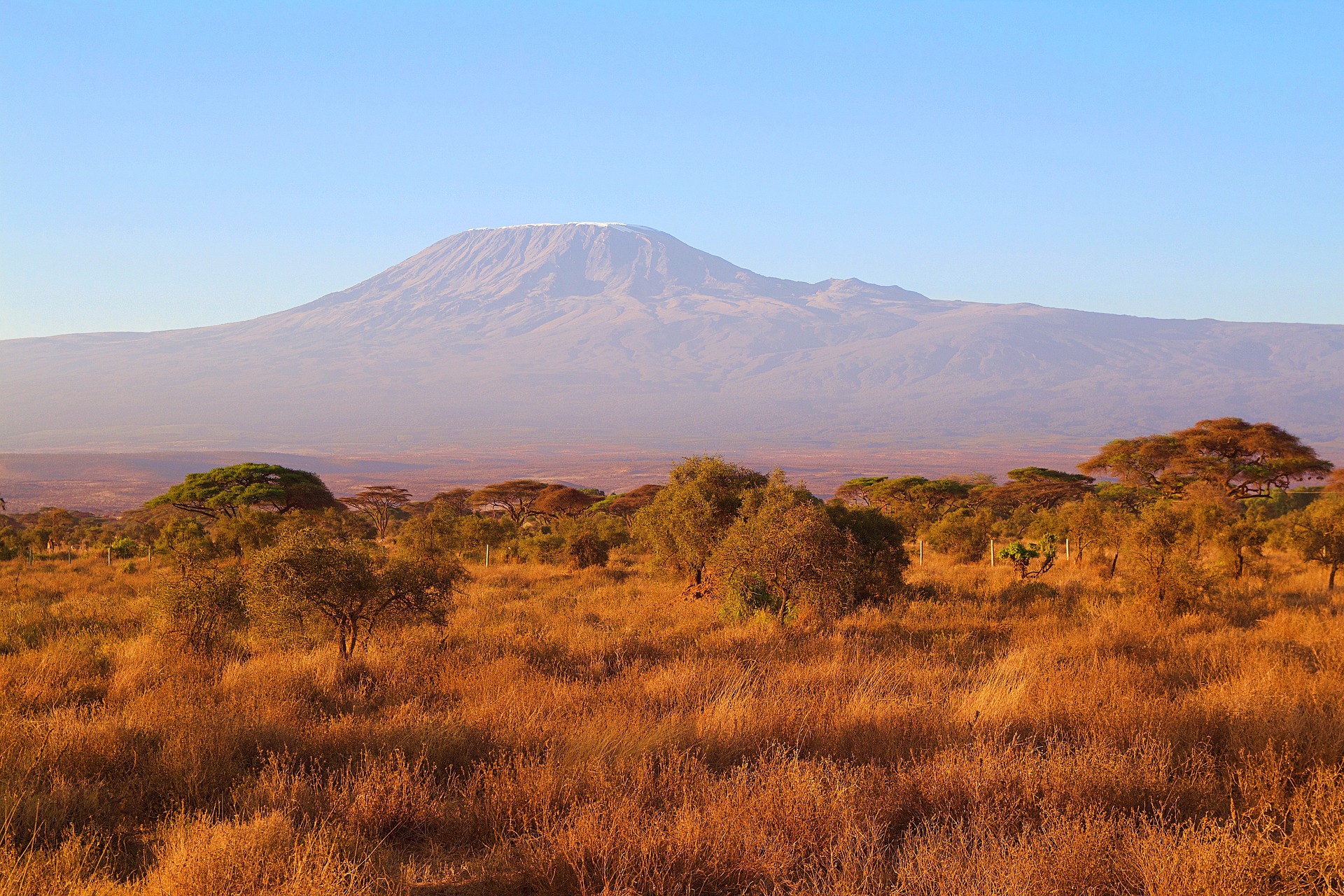
Best Time to Trek Mt. Kilimanjaro

Mount Kilimanjaro can be climbed year-round, but specific seasons offer better weather conditions and a more enjoyable trekking experience. Here’s a breakdown to help you choose the ideal time.

Best Seasons to Trek

January to March (Warm and Less Crowded)

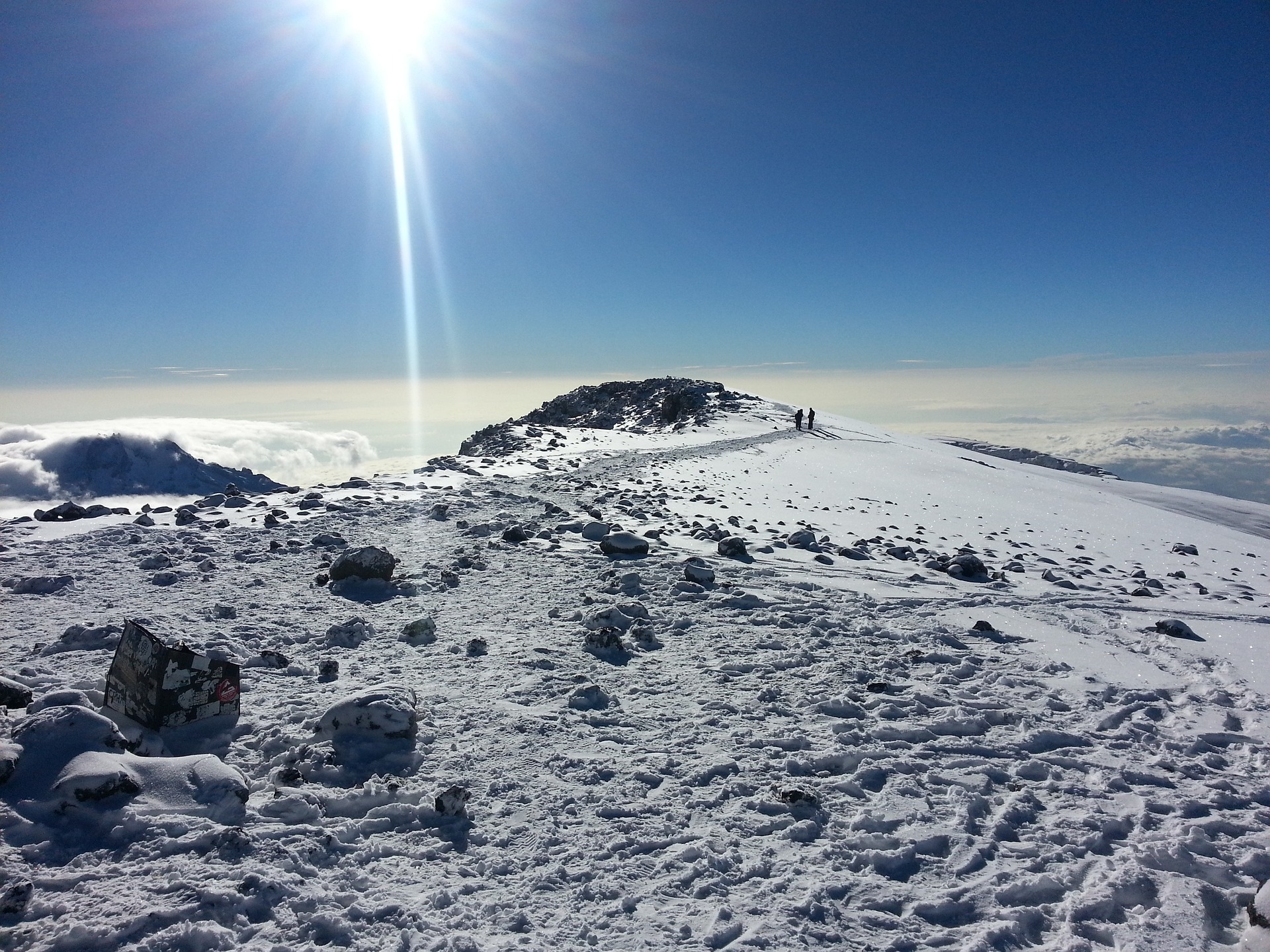
Weather: Clear skies, warmer temperatures at the base, but can be colder at the summit.

Trail Conditions: Generally dry with occasional short rains.

Highlights: Fewer trekkers and stunning views of the mountain.

June to October (Peak Season)

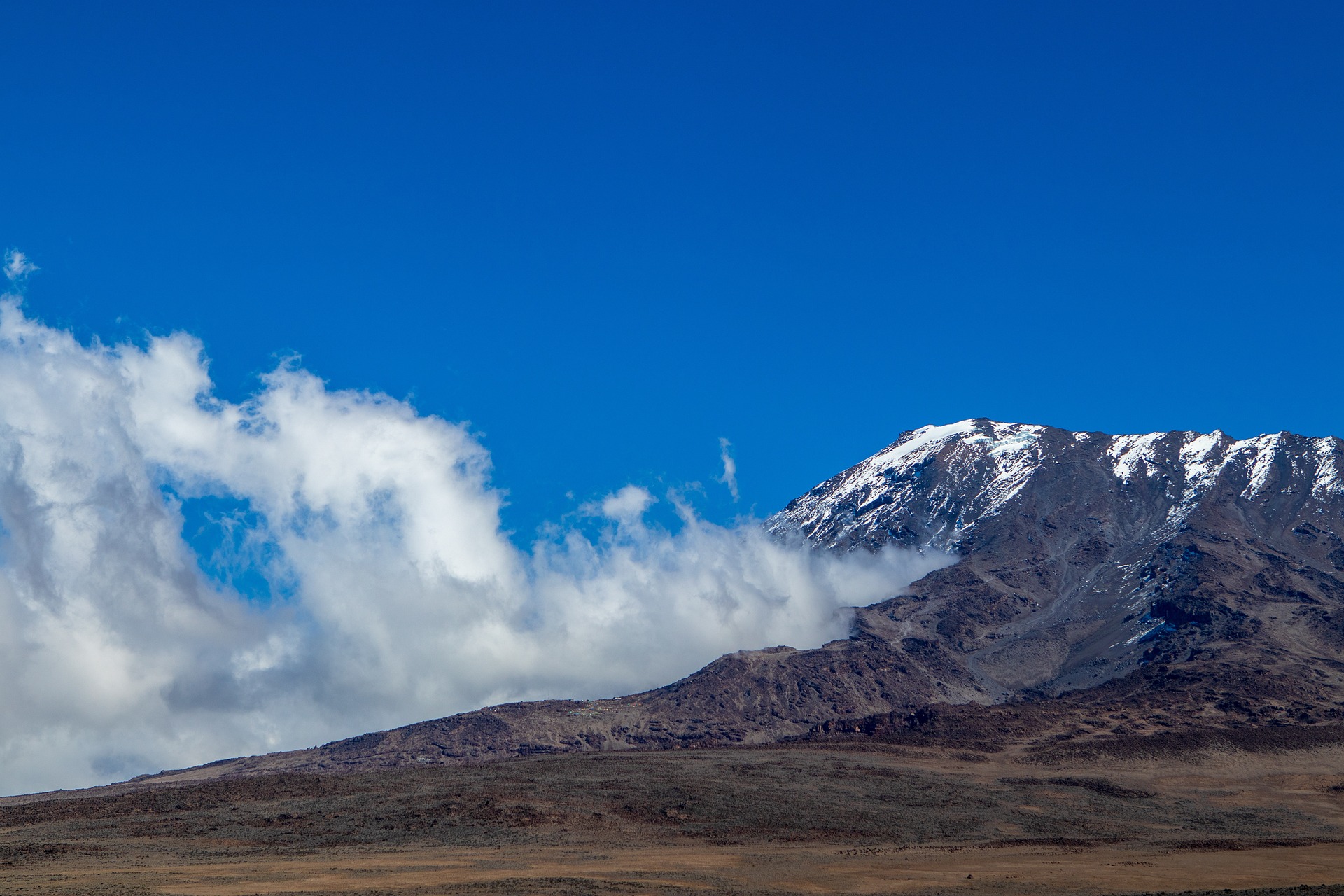
Weather: Dry, sunny days and clear skies, making it the most popular trekking period.

Trail Conditions: Ideal for hiking with stable paths and minimal rain.

Highlights: Higher summit success rates, though trails can be crowded.

Seasons to Avoid (Rainy Periods)

April to May (Long Rains)

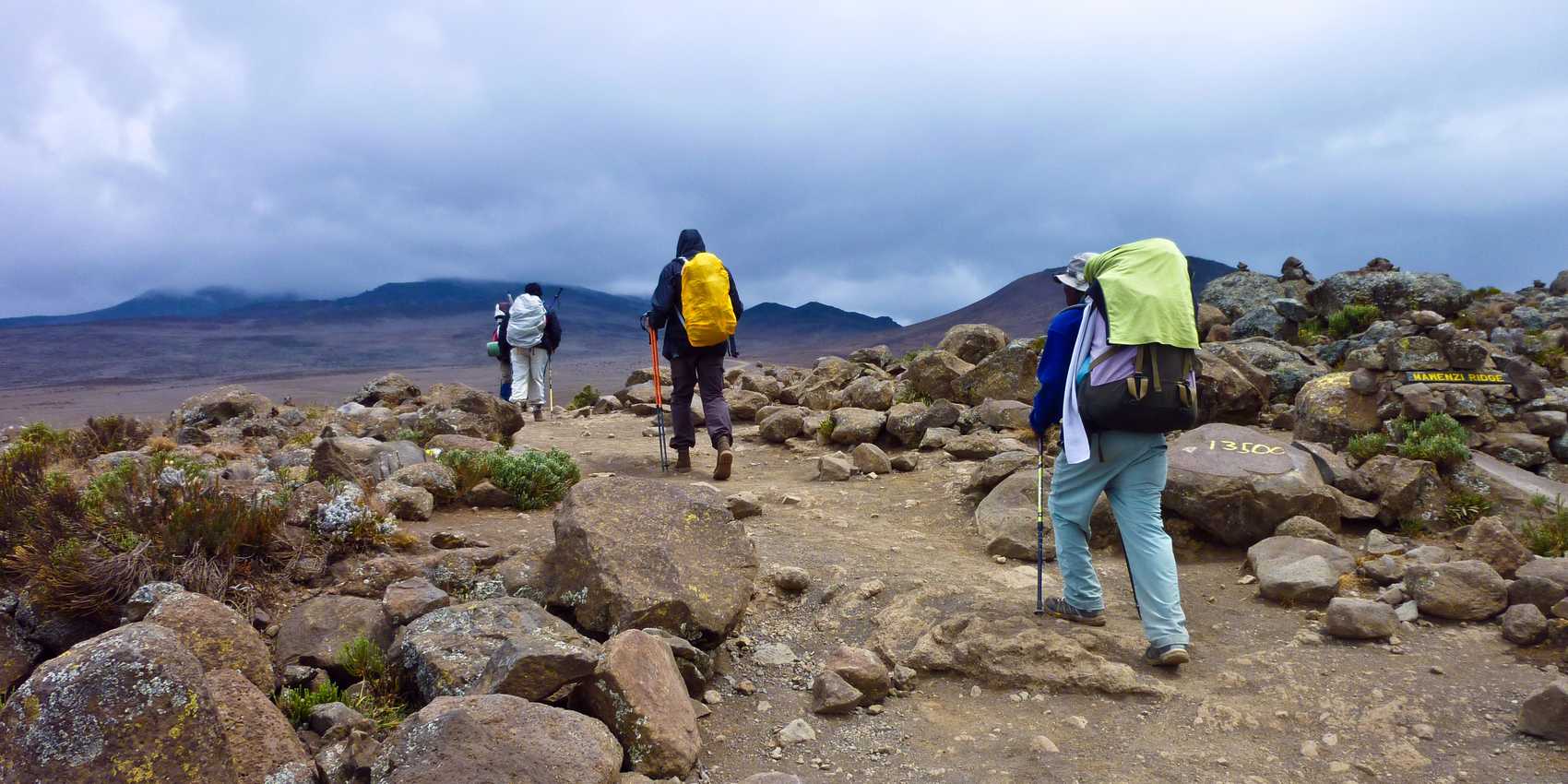
Weather: Heavy rainfall, cloudy skies, and muddy trails.

Trail Conditions: Slippery and challenging paths.

Recommendation: Best to avoid unless seeking solitude and adventure.

November to Mid-December (Short Rains)

Weather: Light to moderate rains with sporadic clear days.

Trail Conditions: Less stable but manageable for experienced trekkers.


Our Recommendation

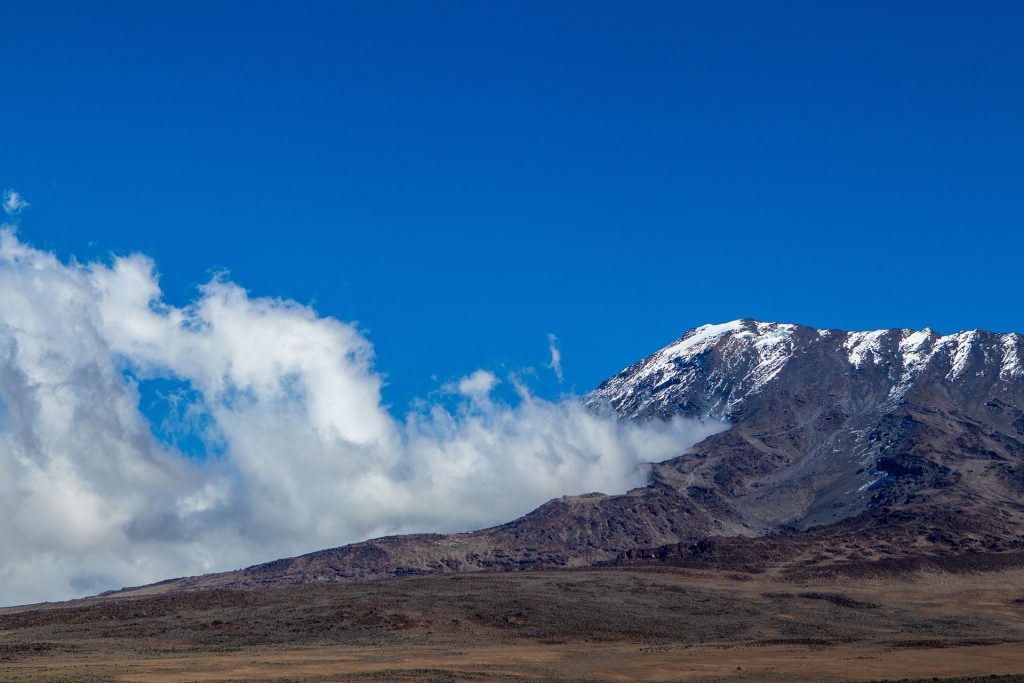
For the best experience, we recommend trekking Kilimanjaro from January to March or June to October for optimal weather and scenic views.

Kilimanjaro Expedition Itineraries

FAQs About Mount Kilimanjaro

The best route depends on your preferences for scenery, difficulty, and crowd levels. Popular options include the Marangu, Machame, Lemosho, Rongai, and Northern Circuit routes.

The time it takes to climb Kilimanjaro depends on the chosen route. Most expeditions last between 6 to 8 days. An experienced hiker with prior acclimatization can complete an accelerated 5-day program. If you opt to stay overnight in the crater, climbs can extend to 9 days or longer.

No technical climbing skills are required. Kilimanjaro is a trekking peak, but it demands good physical fitness and acclimatization to high altitudes.

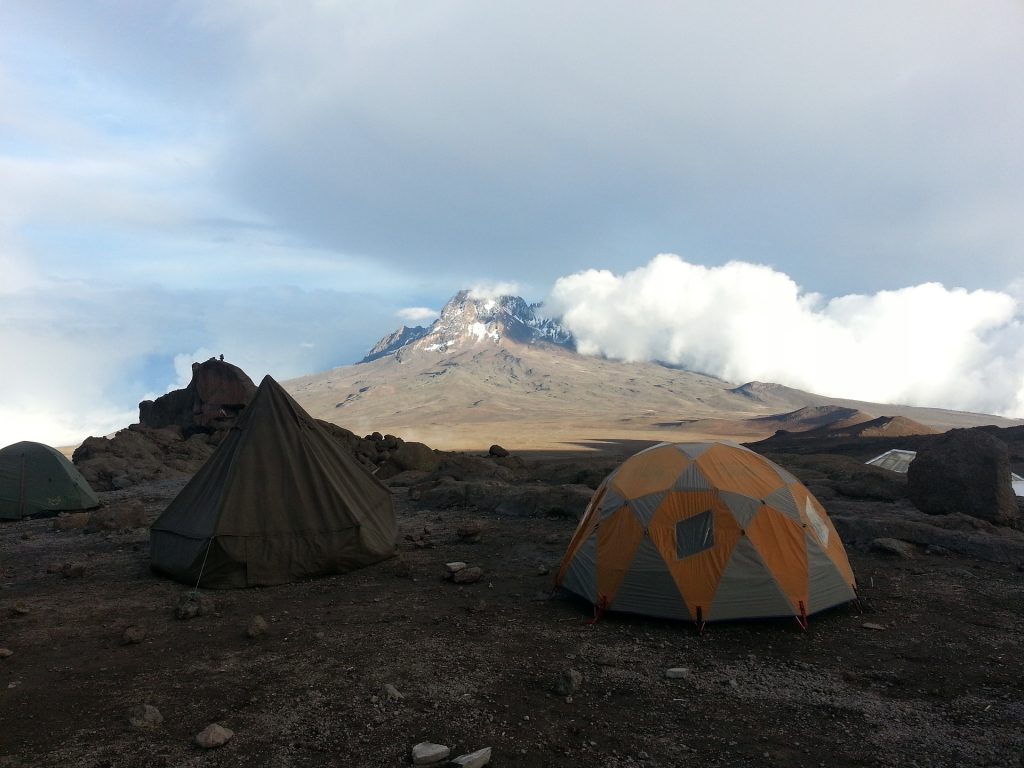
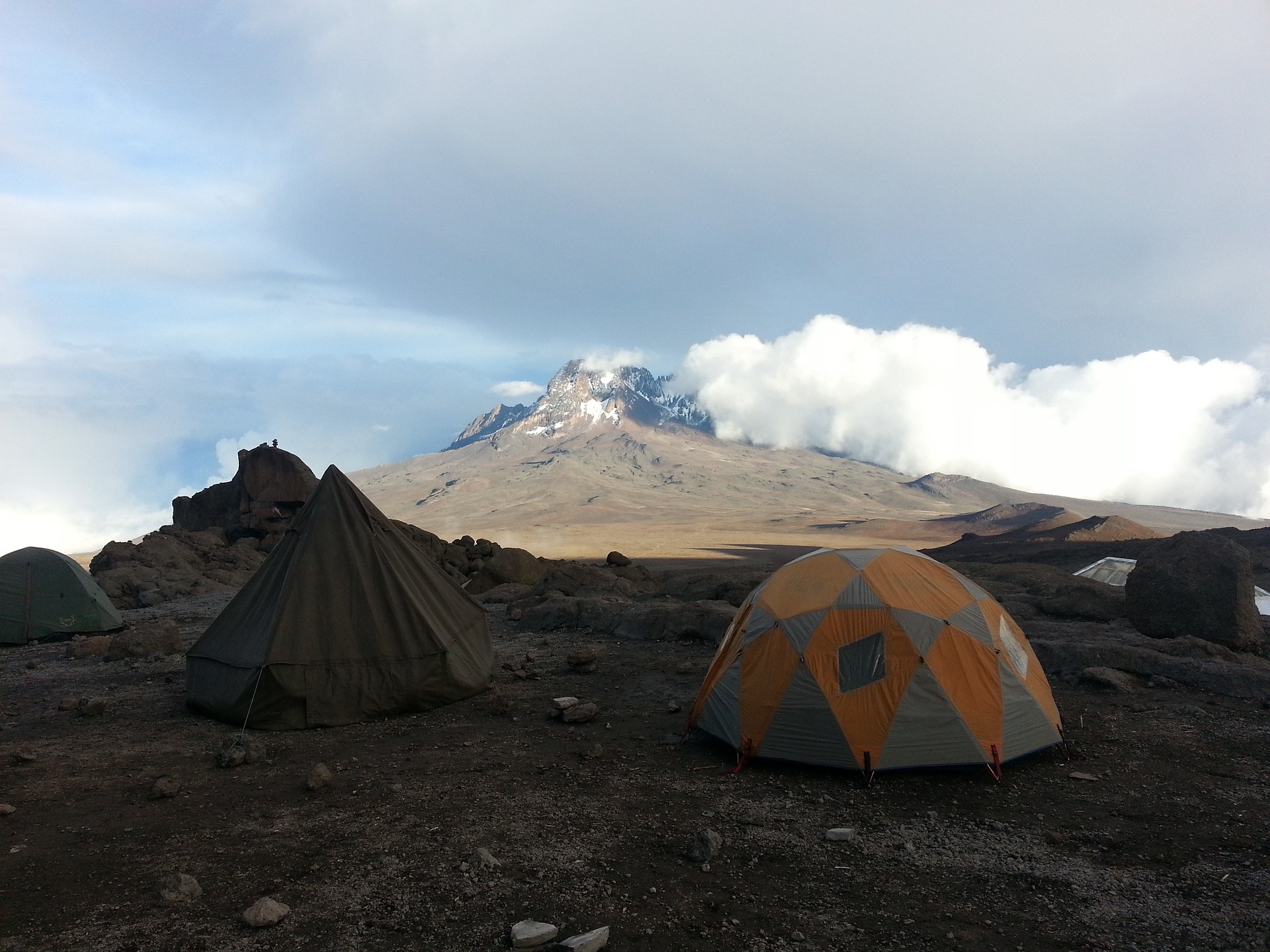
Accommodations vary by route. The Marangu route offers hut accommodations, while other routes use tents. Expect basic but adequate facilities.

Climbing Kilimanjaro is governed by the regulations of the Kilimanjaro National Park. According to official rules, all hikers must be accompanied by a local guide. Park rangers will not permit entry to anyone without a professional Kilimanjaro guide.

The best times to climb Kilimanjaro are from late December to early March and mid-June to late October. During these periods, the weather conditions are nearly ideal for trekking.

Although other months have rain, it doesn’t mean there are constant heavy showers. Typically, rains begin in the latter half of the day. This allows trekkers a significant window of clear weather every day during the rainy season. There are also days without any rain. 

While wildlife sightings are not the main attraction, you might see various birds, monkeys, and smaller mammals in the lower forested zones.
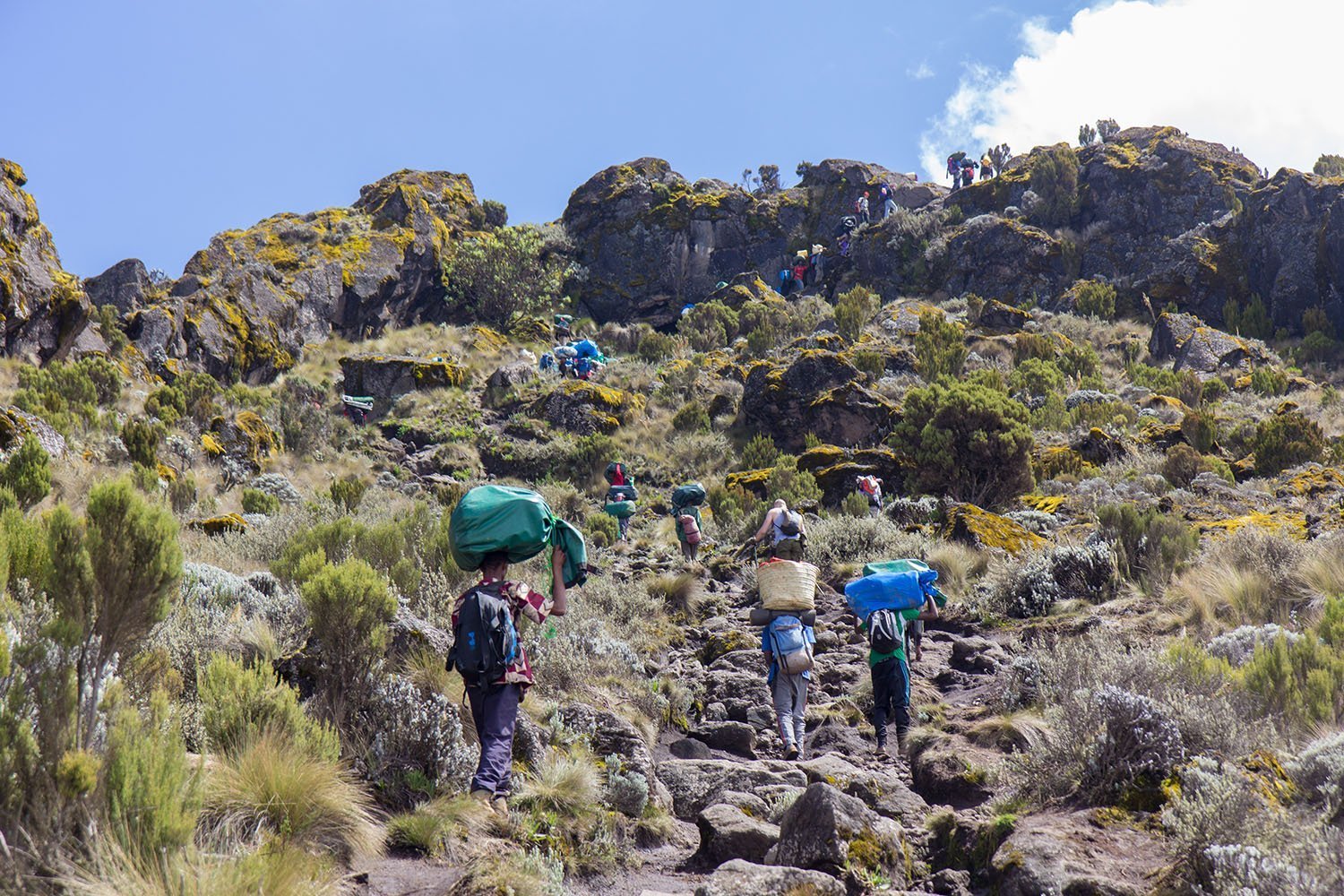
Climbing Kilimanjaro is generally safe when done with a reputable tour operator. The main risks are related to altitude sickness and weather conditions. Proper preparation and acclimatization are crucial.

Learn Why Travellers Love Us 👍